

Luxemburgska restauranger som siktar mot himlen i sin strävan efter nya stjärnor
Luxemburg är med sina 650 000 invånare ett av de länder som, sett till capita, har flest stjärnrestauranger i ansedda publikationen Guide Michelin. Jag har i tidigare reportage skrivit om mina trevliga upplevelser i Luxemburg och besökte nyligen två av landets i särklass mest spännande restauranger...
| Av Mikael Björnfot, 12 maj 20:36Kommentarer |

Ljubljana – den lilla huvudstaden med det stora hjärtat
Det är tidig morgon vid Ljubljanicas flod. Höstsolen har just börjat värma de pastellfärgade fasaderna, och ljudet av klirrande kaffekoppar blandas...

Maribor – vinets hjärta i Sloveniens gröna öst
Det doftar av solvarma druvor och nyslagen äng. Längs floden Drava breder vinrankorna ut sig som ett grönt lapptäcke över de böljande kullarna. Här,...

Hyperhidros – överdriven svettning – ett socialt gissel men hjälp finns att få
Jag har under större delen av mitt liv lidit av en åkomma vars medicinska term är Hyperhidros som betyder överdriven svettning, i mitt fall...

Praktverk om arkitektikonen Gunnar Asplund - mycket intressant läsning
Stockholmsarkitekten Gunnar Asplund verkade under en tid när välfärdssamhället Sverige växte fram och vars verk vi än idag fortfarande kan såväl...

Dionne Warwick - en skröplig sångerska mötte stående ovationer på Göta Lejon
Den snart 85-åriga amerikanska sångerskan Dionne Warwick behöver ingen närmare presentation. Legendaren levererade i samarbete med Bacharach/David...

Pensionat Oskar på Kulturhuset Stadsteatern - stark scenupplevelse som berör
Det är alltid en stor uppgift att sätta upp en klassiker på en teaterscen, då många redan har en stark relation till verket. Kulturhuset Stadsteatern...

Rapport från Bokmässan i Göteborg 40:e upplaga 2024
"Årets jubileumsmässa samlar 760 utställare, 110 författarbesök, 300 seminarier och över 3500 programpunkter, allt fördelat på 11 000 kvadratmeter utställningsyta. Mässan invigdes av kulturminister Parisa Liljestrand."
| Av Mikael Björnfot, 28 sep 2024 20:12Kommentarer |

Charlie och chokladfabriken - se den minst en gång
"Finns det en musikal som man ska se 2024/2025, kanske mer än en gång, är det Willy Wonka på Göteborgsoperans scen. Musikaler som denna behövs...

Triss i ESS i Göteborg och spis på stjärnkrogen KOKA
I Göteborg, Sveriges framsida, lyser solen och optimismen starkt, vilket syns i allt från fyllda restauranger och barer till byggandet av...

Lyxweekend i Helsingfors
Ibland behöver man inte resa speciellt långt för att vara med om upplevelser långt utöver det vanliga. En helg i maj reste jag till Helsingfors och...

Scott Walker enligt Magnus Carlson - höga förväntningar infriade med råge
"Det jag slogs av, från Carlsons första ton, var hur utsökt fraserad hans röst är och hur han framförde texterna med en ny fräschör, som om de hade...

Berlinerluft
Det finns platser som utövar en alldeles speciell lockelse och ibland kan det vara svårt att sätta fingret på vad det är som framkallar denna. Berlin...

Helgmys på Hällsnäs med kulinarisk tvist och Wicked på Göteborgsoperan
Många av oss jagar på i tillvaron och fyller våra dagar med arbete och sociala aktiviteter, aktiviteter som förvisso säkert upplevs som roliga och...

Änglagård på Oscarsteatern - tio av tio!
Fredrik Kempe, har med den äran lyckats över förväntan med att på ett mästerligt sätt komponera musik och text till att bli ett med musikalen. Ofta brukar det finnas max en, två låtar som blir klassiker när man tar sig an ett projekt av denna kaliber, men jag är förbluffad över hur många bra låtar, både upptempo och ballader, det finns som har den potentialen.
| Av Mikael Björnfot, 16 okt 2023 19:51Kommentarer |

Göteborg - staden som har och erbjuder allt
Jag besökte staden i slutet av juli för att “göra stan” och passade då på att åka en onsdag till fredag istället för den vanliga helgen och blev...

Betongväldets upplösning - äntligen?
Efter dryga 100 dagar pågår regeringens svekdebatt om utlovat ekonomiskt elprisstöd. Samtidigt står denna ny borgerliga regering, liksom den förra år...

Drömkryssning i hjärtat av Europa med Viva Cruises
När mörker och kyla anlänt till Sverige är det trevligt att så sakteliga påbörja planeringen av trevliga sommarresor nästa år. Med tanke på ökande...

Åtta timmar "Arv" på Dramaten - fantastiskt!
"Det finns teaterpjäser som vi finner 'trevliga' och intressanta men som sjunker undan i våra medvetanden i samma stund som vi lämnar teatersalongen....

Toronto - världsmetropolen med kulinarisk tvist
Den kanadensiska kosmopolitiska storstaden Toronto är för de flesta svenskar som gillar hockey känd för sitt hockeylag Maple Leafs, ofta associerat...
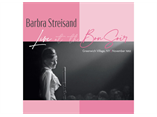
80-åriga Barbra Streisand fortsätter att överraska sin publik
"Detta 'nya' livealbum, som legat och väntat på att bli släppt, var från början tänkt att bli hennes debutplatta 1962. Nu släpps det och firar 60 år...

Lysande musikalversion av klassiska Karl-Bertil Jonssons julafton
"Dorsins manus tar tillvara de klassiska scenerna men tar även ut svängarna och moderniserar manuset genom att i sånginslagen krydda med nutida invävda personligheter"
| Av Mikael Björnfot, 24 nov 2022 22:43Kommentarer |

Två måsten på Stockholms kulturscener hösten 2022: Norma och Mandomsprovet
Efter att det svenska kulturella livet gått på sparlåga under pandemin är suget efter kultur större än någonsin, trycket på biljetter är högt och...

Pet Shop Boys levererar extra - extra av allt
Pet Shop Boys Europaturné tog killarna tidigare i veckan till Stockholm och ett fullsatt Avicii Arena. Killarna levererade och undertecknad anser...

Two Divas are back in town
"Med facit i hand hade det kanske varit för allas bästa om hon hade ställt in, då det är sorgligt att se när en stjärna som Dionne Warwick inte...

Sourze tar pulsen på konsert- och albumaktuella Sylvia Vrethammar
"Den evigt unga och internationellt erkända pop- och jazzsångerskan Sylvia Vrethammar har en fantastisk karriär bakom sig, som sträcker sig från...

Budapest – hett weekendresmål i sommar
Budapest är en mycket trevlig destination som varmt rekommenderas. Efter ett besök här och på något av stadens många badhus är man full av energi och...

Wien – tidlös elegans och modernitet i skön symbios
Wien är en året-runt-destination även om vår, sommar och höst är bäst när det gäller väder. På grund av stadens storlek så hinner man inte se och...